9, 6, 9 and the Science of Lucky Numbers: What Your Brain Won't Tell You at the Slots
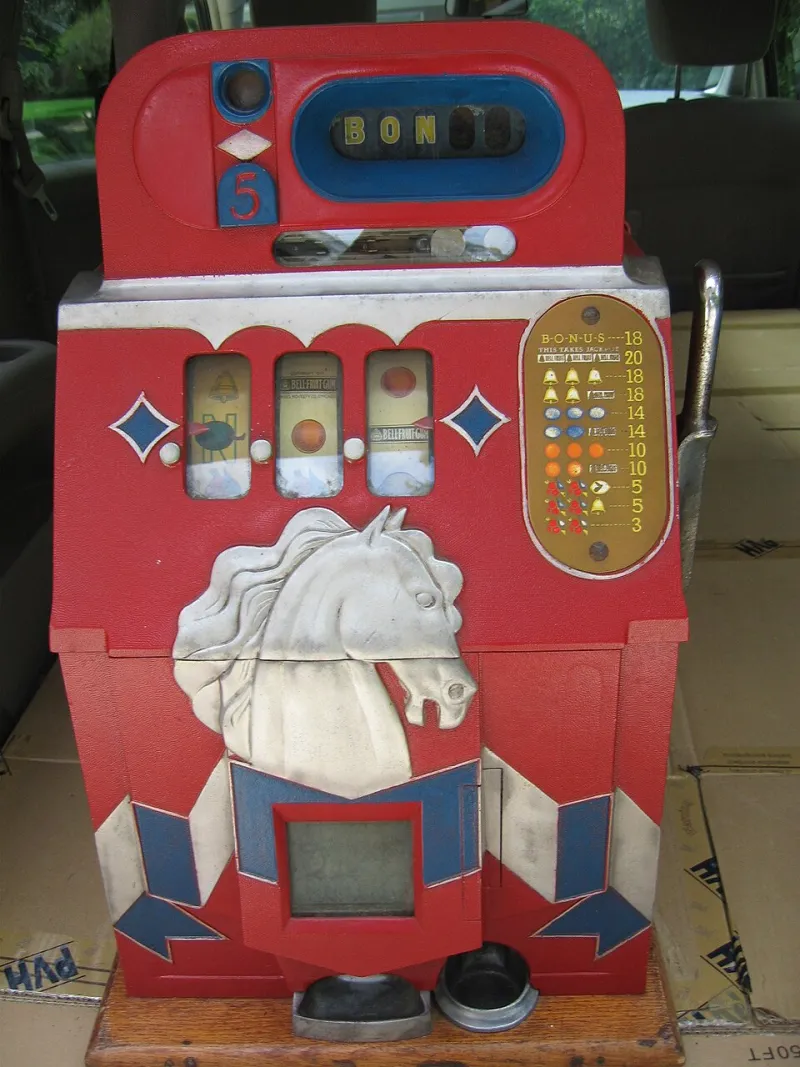
Photo: Gameroom Show, https://www.gameroomshow.com/faq/#Copyright, CC BY-SA 4.0, via Wikimedia Commons
Walk into any casino floor in America — from the Las Vegas Strip to a riverboat in Louisiana — and you'll spot the same ritual. A player taps the machine twice, rubs the screen, or refuses to spin until the clock hits a specific minute. At the heart of most of these habits sits a number. And some numbers show up again and again, no matter where you go.
Here at Sodo969Z, we'd be lying if we said we weren't fascinated by number culture ourselves. Our name is literally built on it. So let's pull back the curtain on why digits like 7, 9, and 6 carry so much weight — and what that actually means for your bankroll.
Why 777 Became the King of the Casino
The triple seven is the undisputed mascot of American gambling. Its origin is part history, part happy accident. Seven has long been considered lucky in Western culture — think lucky number seven, seven wonders of the world, seven days of the week. When Charles Fey's Liberty Bell machine paid out for matching symbols in the early 1900s, seven became the jackpot icon, and the rest is neon-soaked history.
Psychologists call part of this pattern-seeking "apophenia" — the human tendency to find meaning in random data. Slot machines are random number generators, full stop. But a machine that flashes 7-7-7 on a near miss feels meaningful, and game designers have known this for a century.
The Quiet Power of 9, 6, 9
If 7 rules the West, 9 rules much of the East — and that matters in a country as diverse as the US. In Chinese numerology, nine is associated with longevity and is considered supremely auspicious. Six isn't far behind; it sounds like the word for "smooth" or "flowing," so a sequence like 9-6-9 reads as a blessing: long-lasting good fortune, moving without obstruction.
Walk through the high-limit rooms in Las Vegas, Atlantic City, or the tribal casinos of California and you'll see this play out. Table numbers often skip the 4 (which sounds like "death" in Chinese and Vietnamese), and floors are sometimes renumbered to avoid it entirely. Baccarat tables popular with Asian-American players regularly see bets placed on numbers 8 and 9.
This is exactly the tradition a numeric brand like Sodo969Z taps into — a name that reads as lucky to players who grew up with that number language, and just sounds distinctive to everyone else.
How American Players Actually Use Lucky Numbers
Superstition in the US takes a few familiar forms:
- Lottery picks: Birthdays and anniversaries dominate Powerball slips, which is why numbers 1 through 31 get played to death. Ironically, if you win with those numbers, you're more likely to split the jackpot.
- Slots: Players swear by specific machines, specific times, or spinning after a stranger "warms up" the game. None of it changes the RNG.
- Craps and roulette: The dice ritual is alive and well — same grip, same toss, same number on the felt. Roulette players crowd around 7 and their personal favorites, even though every pocket carries the same house edge.
- Blackjack: Some players won't sit in seat 3 or will only join a table after someone else leaves. The cards don't care, but the ritual makes the game more fun.
Where Superstition Ends and Strategy Begins
Here's the honest editorial take: lucky numbers are entertainment, not strategy. The RNG doesn't know your anniversary. The roulette wheel doesn't remember your 9. Believing otherwise is how players end up chasing losses or overbetting on "hot" machines.
But that doesn't mean numbers are useless. They're just useful in different ways:
- Use meaningful numbers as stakes reminders — set your session loss limit at a number you'll actually remember and respect.
- In lottery play, choosing less popular numbers won't improve your odds, but it will improve your expected payout if you win, since you're less likely to split.
- In blackjack and video poker, ignore numerology entirely and learn basic strategy. That's where the real edge lives.
The Fun Is the Point
There's nothing wrong with playing your lucky 9 or holding out for 777 — as long as you know what you're buying. You're not buying better odds. You're buying a richer experience, a connection to a tradition that stretches from Vegas to Macau to the numerology books on your grandmother's shelf.
So spin the 9s, play the 777s, and enjoy the ritual. Just let the math — not the magic — decide how much you wager. That's the Sodo969Z way: big on fun, clear-eyed about the odds.
Gambling is for adults 21+. If betting stops being fun, call 1-800-GAMBLER for free, confidential help.