Eighty Numbers, One Screen, Zero Sleep: Why Keno Owns the American Night Shift
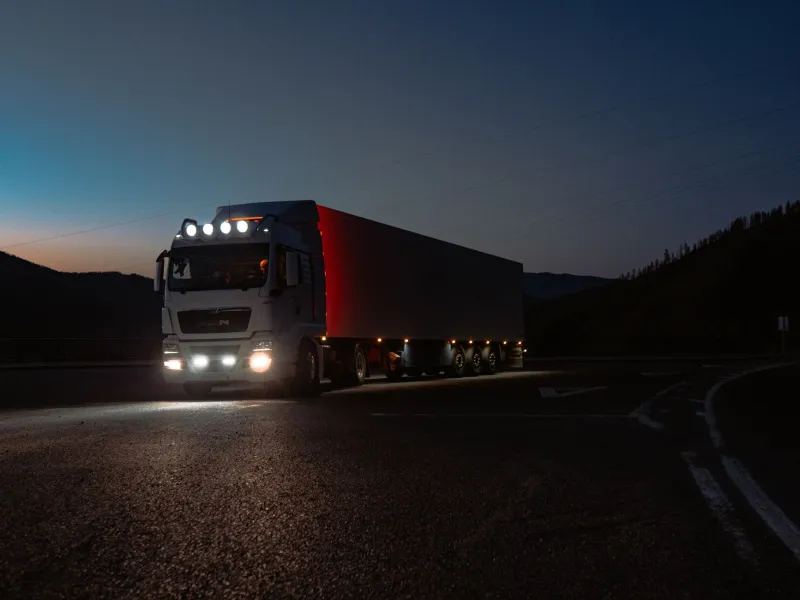
There's a moment around 2 a.m. at the Pilot travel center outside Cheyenne when the coffee is burnt, the lot lizards are quiet, and the only sound in the gaming alcove is the soft chirp of a keno machine picking its next number.
The guy hunched over the screen goes by Dusty. He hauls freight between Denver and Salt Lake, and he's been playing the same eight numbers — his kids' birthdays, mostly — for eleven years. He has never hit more than a five-spot. He does not care.
"Keno's not about winning," he told me, not looking up. "It's about having somewhere for the money to go while you wait out your hours."
That sentence is basically the entire business model of American keno, a game that has been declared dead more times than the paper ticket has been declared obsolete — and has outlived every obituary.
From the Railroads to the Rest Stop
Keno's origin story is well-worn by now: a Chinese lottery called baige piao, or "white pigeon ticket," dating back centuries, carried across the Pacific by workers who helped build the transcontinental railroad. In mining camps and Chinatown back rooms, numbers were drawn and results reportedly relayed by carrier pigeon between towns — hence the name.
What's less discussed is how the game survived its Americanization. Chinese Exclusion-era laws pushed gambling into cave-like parlors, and when Chinese restaurants in cities like San Francisco and Omaha started running house keno games for neighborhood customers, the game quietly embedded itself in immigrant commerce. Nevada legalized it in 1931 as part of its wide-open gambling bill, and casinos treated keno like a quirky side dish — a slow, penciled-in, crayon-marked game for people who wanted to sit a while.
For decades, that's all it was: the game your aunt played at the Vegas keno lounge while the cocktail waitress made her third pass. The payouts were lousy. The pace was glacial. The house edge — often north of 25% — would make a slot designer blush.
And yet. Here we are.
The Touchscreen Changed Everything
The revival nobody planned came from an unlikely direction: video lottery terminals and the explosion of gaming at travel centers, bars, and tribal casinos in states that never built a Vegas-style floor.
In states like Montana, Oregon, South Dakota, and West Virginia, keno became the backbone of regulated video gambling. The math is simple. Keno needs no skill explanation, no payline study, no bonus-round tutorial. You pick numbers. Numbers get drawn. Something in the primate brain finds this deeply satisfying at low stakes and low effort.
At truck stops along I-80, the machines sit between the ATM and the lottery counter, running draws every few minutes around the clock. The modern versions add cluster bonuses, multipliers, and progressive side bets — features that would baffle the white pigeon crowd but slot neatly into what today's players expect from a touchscreen.
State lotteries got in on it too. Multi-state keno draws, monitor games in bars, and keno-style fast-play tickets turned the game into background entertainment — something you check the way you check a score, not something you plan an evening around.
The 2 A.M. Congregation
Spend any stretch of time around overnight keno and you start to recognize the congregation.
There are the night-shift workers — hospital staff, warehouse pickers, gas station clerks coming off shift — who treat a few keno rounds as the decompression chamber between work and sleep. There are retirees, especially in Nevada and Florida, for whom the keno lounge remains one of the last cheap social venues in America: four hours of entertainment, free coffee, and a paper ticket to argue about.
And there are the truckers, the game's most loyal nighttime demographic. Hours-of-service rules mean long stretches of waiting that can't be spent driving or drinking. A $5 bankroll on a video keno machine is a legal, harmless way to make 40 minutes disappear. The machines don't judge. They don't close. They're in every time zone.
One retired Teamster I met outside a Loves in Nebraska put it plainly: "Slots are a machine that plays you. Keno is a machine you play with. I know the difference, even if my wallet doesn't always show it."
The Numbers Behind the Nostalgia
Let's be honest about the math, because this is a numbers-first site and we don't do sentiment without the ledger attached.
Keno's house edge routinely runs between 20% and 35% depending on the paytable and how many spots you pick. That's brutal compared to blackjack or even most slots. A four-spot ticket might pay 1-for-1 on hitting two, with long odds on the bigger catches. The 80-number board gives the house enormous flexibility to structure payouts that feel generous and aren't.
So why play? Because keno sells time, not value. A $1 ticket with a draw every four minutes is the cheapest per-hour entertainment on any gaming floor — cheaper than a movie, cheaper than most bar tabs. Players aren't misinformed about the edge; most veteran keno players can recite their paytable cold. They've simply decided, consciously or not, that they're renting the experience.
If you're going to play anyway, a few things matter: shop the paytables, because two machines side by side can differ wildly; keep bets flat rather than chasing cluster bonuses; and treat any hit on a seven- or eight-spot as the miracle it statistically is — cash it, don't recycle it.
Not Going Anywhere
Every few years, some industry report declares keno a legacy product, destined for the same bin as the big-wheel and the nickel cup game. Then the numbers come in and keno is quietly outperforming half the novelty slots that were supposed to replace it.
The game survived the pigeon era, the exclusion era, the lounge era, and the touchscreen era. It'll survive whatever comes next, because its core pitch never changes: pick your numbers, wait a while, dream a little.
Dusty finished his session in Cheyenne down exactly $5, cashed nothing, and tipped his chair back toward the door.
"Same numbers tomorrow," he said. "They're due."
They're not due. They never are. But out here on the long-haul routes of America, at 2 a.m., that was never really the point.