The Reel Story: What Casino Designers Don't Advertise About Those Lucky 7s
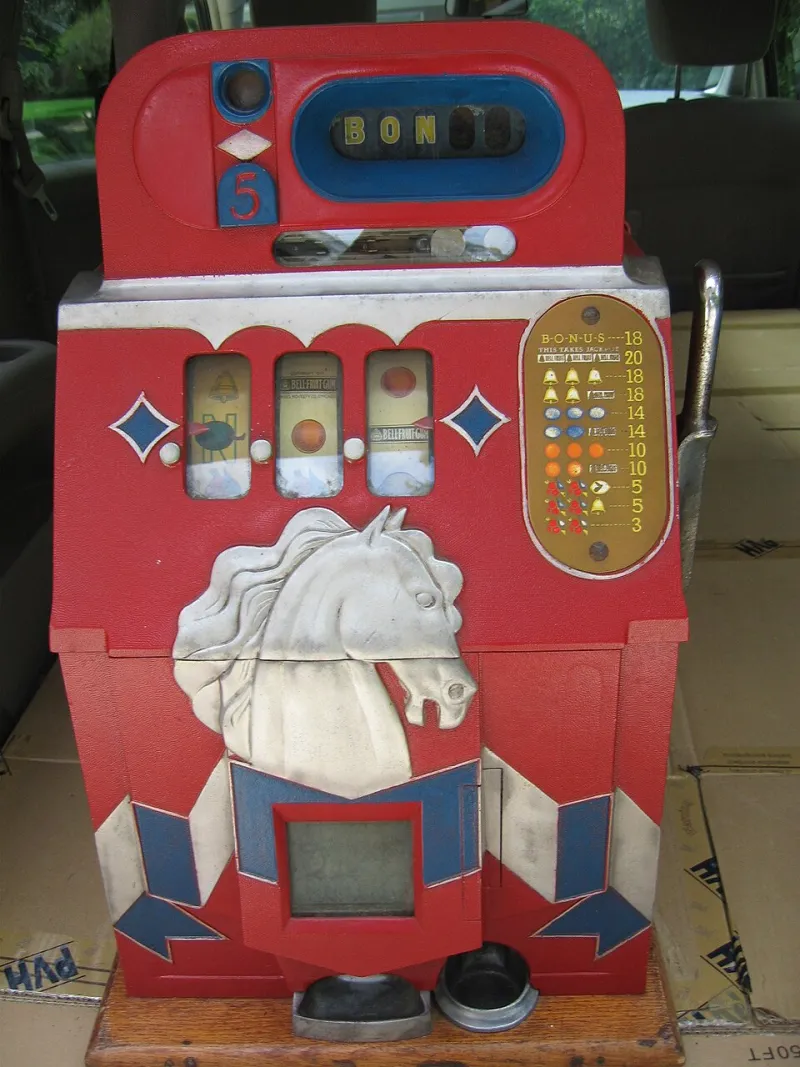
Photo: Brechtbug, CC BY 3.0, via Wikimedia Commons
There's a moment every slot player knows. You're three spins deep, the cherries line up on reels one and two, and the third reel just... drifts past the payline. Feels personal, right? It isn't. That moment was priced, weighted, and approved by a math team months before you sat down.
At Sodo969Z, we're all about the numbers behind the numbers — 969, 777, 21 — so let's crack open the machine.
Reels Are a Illusion (and That's the Point)
Modern video slots don't really have reels in the physical sense. What you see on screen is a display layer sitting on top of a random number generator that's churning out results continuously — thousands of times per second, even while the machine sits idle. When you hit spin, the RNG simply picks the result that's already been determined at that microsecond.
The visual reel, then, is theater. And like any good stage production, it's carefully cast. Each symbol on a virtual reel strip carries a weight — a probability multiplier. That jackpot 7 you're chasing? It might appear once on a 256-stop virtual strip. The blanks and low-paying cherries? Dozens of stops each. The reel you see has 3 or 5 visible symbols; the reel that matters has hundreds of invisible stops.
This is called "virtual reel mapping," and it's the single most important thing most players never learn. Two machines can look identical and play completely differently because the math model underneath is different.
RTP: The Only Number That's Legally Honest
Return to Player — RTP — is the percentage of all wagered money a slot pays back over its lifetime. A 96% RTP machine returns $96 of every $100 wagered across millions of spins. Not per session. Not per night. Ever.
Here's what trips people up: that 4% house edge doesn't arrive smoothly. Slots are built on volatility — big droughts funded by occasional spikes. A high-volatility game might eat $200 before handing back a single decent hit, while a low-volatility game dribbles out small wins constantly. Same RTP, wildly different experience.
Casinos in Nevada, New Jersey, and most regulated states file their RTP ranges with gaming commissions, and some jurisdictions require the actual figure to be printed on the machine or available on request. In Vegas, it often isn't posted — but downtown machines and airport slots are notorious for sitting at the stingy end of their approved ranges. The strip floor near the entrance? Usually looser than the high-limit room nobody walks past.
Near Misses: Engineered Heartbreak
Here's where it gets spicy. On older mechanical machines, a "near miss" — jackpot symbol landing just above or below the payline — occurred naturally at whatever rate the physical reels dictated. Regulators caught manufacturers like Universal Sales & Systems in the 1980s deliberately weighting reels so near misses showed up far more often than actual wins. It was ruled illegal on mechanical slots in Nevada.
But video slots found a workaround. Because the RNG picks the outcome first and the display draws the reels second, developers can render losing outcomes as near misses without changing the actual odds. The probability of winning is untouched. The emotional punch is not.
Brain imaging studies have shown near misses activate the same reward circuitry as actual wins — the ventral striatum lights up even when your wallet doesn't. Manufacturers know this. Your frustration on that third reel isn't a bug; it's a feature with a design doc.
Reading a Paytable Like You've Done This Before
Most players skip the paytable entirely. Big mistake — it's the closest thing to a spec sheet the casino will hand you. Here's your checklist:
1. Find the RTP or the top prize structure. If the game discloses RTP, compare it to the genre standard. Anything 96%+ is respectable for online slots; many land-based machines run 85–92%.
2. Count the jackpot symbol stops. Some paytables show the reel strips or at least hint at symbol frequency. If the top symbol pays 10,000x and appears on a bonus wheel with 20 segments, one of which is the jackpot, you now know your real odds: 1 in 20 for that wheel — but first you need to trigger the wheel, which might be a 1-in-300 event.
3. Check how the bonus triggers. Scatter symbols, random triggers, symbol collections — the bonus round is where most of a slot's RTP lives. A game paying 30% of its return in a bonus you hit once every 400 spins is a very different animal from one paying it in the base game.
4. Look at the volatility label. Many modern online slots outright declare low/medium/high volatility. High volatility plus a small bankroll is how people end up ATM-hopping at 11 p.m.
5. Do the bet math before you sit. A common rule of thumb: your bankroll should cover at least 100 spins at your chosen bet. On a $1.25 max-bet game, that's $125. If you've got $40, drop your bet size, not your standards.
The 969 Rule
We named this site after a number sequence for a reason: gamblers love patterns, and the industry knows it. 7s, triple digits, lucky 21 — the symbols on the glass are chosen for your brain, not the math. The math is in the paytable, the RTP filing, and the volatility class.
You can't beat a slot's house edge. Nobody can, over time. But you can stop playing blind — pick your volatility, respect your spin count, and walk when the spreadsheet says you've had your fun. The machine was designed before you arrived. Design your session before it does.