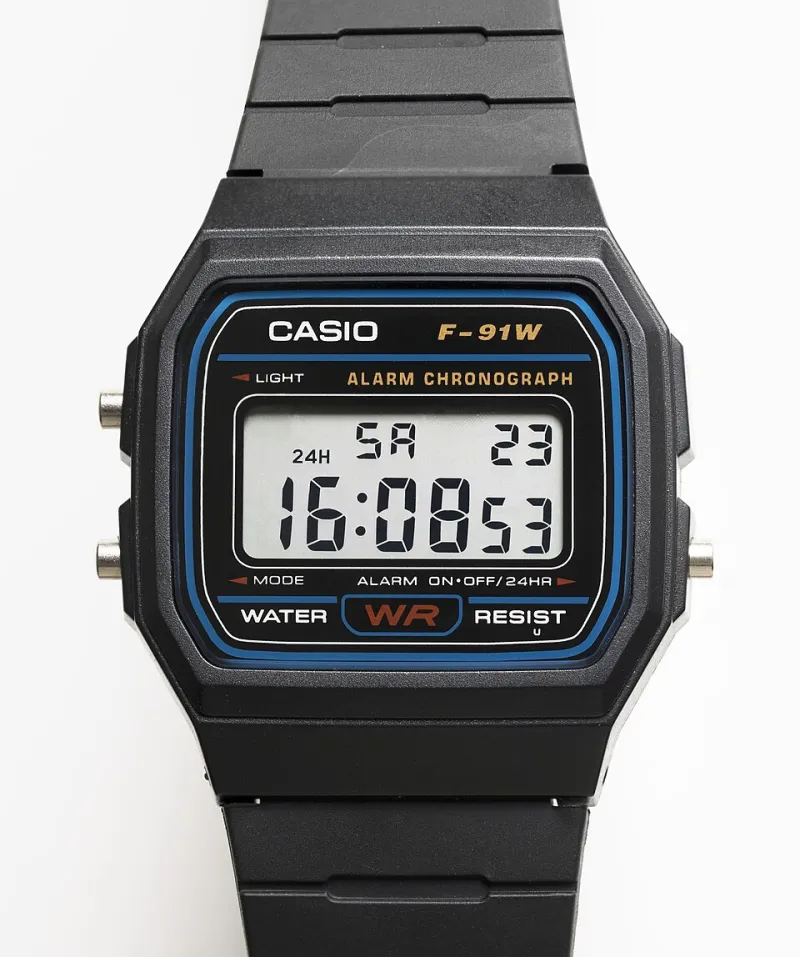
Nine Minutes to Decision: The Session Checkpoint That Might Save Your Bankroll
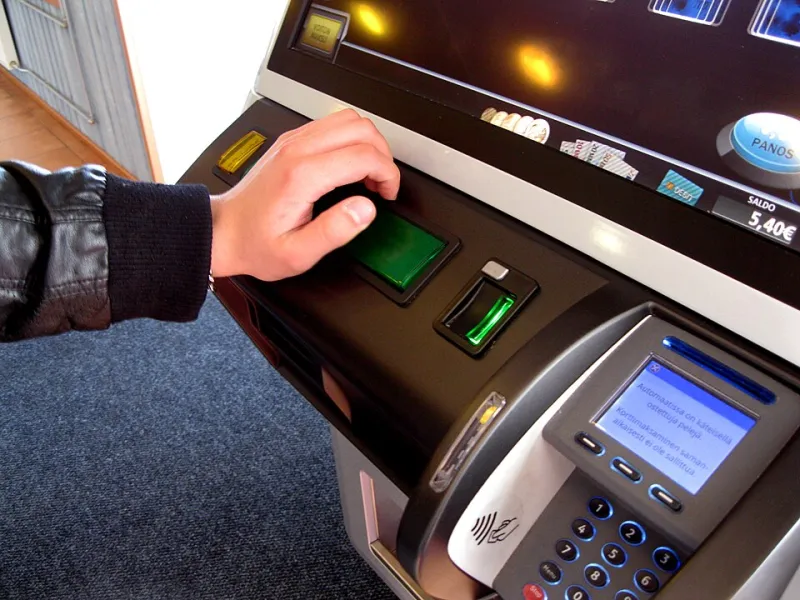
Photo: Santeri Viinamäki, CC BY-SA 4.0, via Wikimedia Commons
Every gambler has a number. Ours happens to be 9 — it's baked into the name on the door. So when the Sodo969Z crew started kicking around the idea of a fixed session length at the slots, nine minutes felt like the only honest place to start.
The pitch is simple: sit down, set a timer, and when nine minutes elapse, you stop and make a conscious decision — cash out, move machines, or deliberately re-up with a fresh budget. No autopilot. No "one more spin" until the ATM gets involved.
Does it work? I spent three weeks asking anyone who'd talk about it: a behavioral researcher in Las Vegas, a casino-floor regular in Atlantic City, and a handful of online slot players who swear by timers. The answers did not agree with each other. That's usually a good sign there's a real story.
What the Math Says About Session Length
Here's the uncomfortable truth first: slot outcomes don't care how long you sit. Every spin is an independent event governed by the machine's RTP and volatility. A nine-minute session and a nine-hour session have the same expected loss rate per spin. The house edge is patient; it doesn't reward the quick or punish the stubborn on any individual visit.
So if you're hoping a time limit changes the odds — it doesn't. Nothing does.
But that's not actually what the nine-minute rule is for. Dr. Elena Marsh, a behavioral analyst who studies gambling patterns, put it to me this way: "Time-based checkpoints don't alter the mathematics. They alter the decision points. The danger at a slot machine is rarely a single bad bet — it's the absence of decision-making entirely once you're in the rhythm."
In other words, the timer isn't a strategy. It's a speed bump for your brain.
Why Rhythm Is the Real Enemy
Modern slots are engineered — legally, brilliantly — to collapse the distance between spins. Faster reels, celebratory sounds for wins smaller than your bet, the near-miss choreography. After twenty minutes, most players describe a kind of flow state. The industry calls it engagement. Marsh calls it something closer to suspension: you stop tracking money and start tracking motion.
The nine-minute checkpoint is designed to interrupt before that state fully sets in. Nine minutes is roughly 60 to 90 spins on a typical online slot — enough to get a genuine feel for how a machine is paying, but short enough that you're still the one making choices.
Tommy R., a regular at a card room outside Sacramento, uses a version of this on his phone. "I don't always quit at the timer," he told me. "But I always stop at the timer. There's a difference. Quitting means walking away. Stopping means I look at my balance and ask if this session still makes sense. Half the time, the answer is no, and I'd never have asked otherwise."
The Hot Streak Objection
Not everyone's convinced, and the loudest objection is the one you're already thinking: what about momentum? What if the machine's heating up at minute eight?
Here's the thing — it isn't. That warmth you feel is the same pattern-seeking wiring that makes streaks feel real. A slot that paid three bonuses in nine minutes has exactly the same odds on the next spin as it did when you sat down. "Hot streaks are real in the sense that variance clusters," Marsh explained. "They're not real in the sense that they predict anything."
Still, plenty of players experience the checkpoint as a flow-breaker. Dana, an online slots enthusiast from Ohio, tried the nine-minute rule for a week and abandoned it. "Felt like a commercial break in the middle of a movie," she said. "If I'm up and having fun, why would I reset?" Her compromise: a longer 30-minute checkpoint with a hard stop-loss attached. Different number, same principle.
How to Actually Run a Checkpoint
If you want to test this yourself, keep it simple:
- Set the timer before the first spin, not after. Decisions made mid-session are decisions made by the machine.
- At the checkpoint, ask one question: does my balance and mood justify another session? Yes or no. Not "one more."
- If you continue, set a new limit first — a stop-loss and a win goal. Continuing without new boundaries is just the old session wearing a costume.
- Track it for two weeks. Compare total spend against your usual play. The data will tell you more than any article, including this one.
The Verdict: A Tool, Not a talisman
Nobody I spoke with thinks nine minutes is magic. The number is a hook, not a law — pick 15, pick 20, the mechanism is the interruption, not the integer. What the research and the players agree on is narrower and more useful: unexamined sessions are the expensive ones.
The gamblers who consistently protect their bankrolls aren't the ones who never chase. They're the ones who built a moment into the session where chasing has to justify itself out loud.
Nine minutes works for us because it's our number. Find yours, set the timer, and let the checkpoint do the one thing slots are designed to prevent: remind you that you're the one holding the wallet.