Your Bankroll Has a Favorite Number, and the Casino Knows It

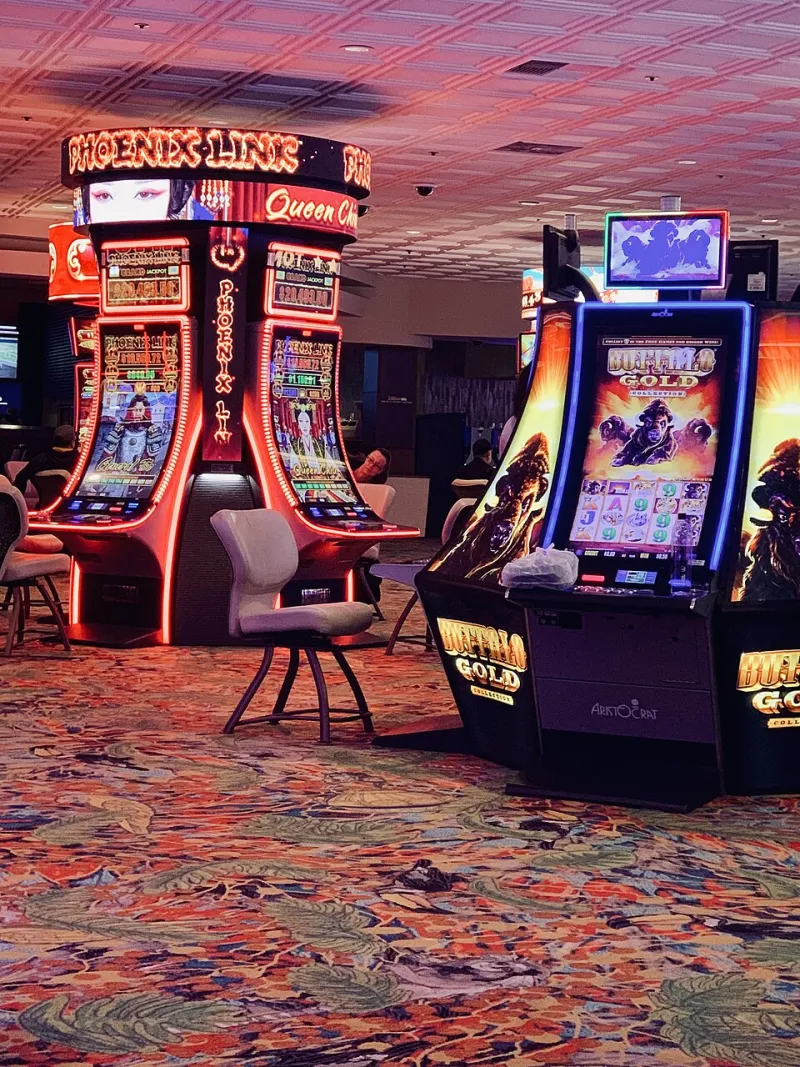
Photo: Jules Verne Times Two, CC BY-SA 4.0, via Wikimedia Commons
You sit down at a slot, ready to play, and the bet selector is already set to $9.69. Coincidence? Maybe. But then the lobby shows a 'hot numbers' ticker featuring — you guessed it — 9, 6, and 9. Your lucky digits. The ones you picked last week. The ones you never told anybody about.
Welcome to the quiet war between your superstitions and somebody's UX team.
Numbers That Feel Like Home
Gamblers in the US have always had a thing for numbers. We play 7 at the craps table (until we don't), we split tens because a friend's cousin swears by it, and a shocking number of us have a birthday-based lottery strategy we'd defend in court. Behavioral economists call this 'number attachment' — once a digit feels lucky, we notice it everywhere and assign it meaning it doesn't have.
Online casinos know this. Better than that, they can measure it.
When you play on an app, every click is data. If you repeatedly adjust your bet to $6.90, or always buy into a game at $9.69, the interface learns. And the next time you log in, that number is pre-loaded, suggested, highlighted — waiting for you like a bartender who already knows your order.
It feels like the site gets you. That's exactly the point.
The Auto-Suggested Bet Is Not Your Friend
I talked to a UX designer who spent four years working on gaming interfaces (she asked not to be named, for obvious reasons). Her take on pre-filled bet amounts was blunt.
"The default is never neutral," she told me. "Whatever number sits in that field when the screen loads has been chosen. Sometimes it's a rounding of the player's average bet. Sometimes it's a nudge upward. Either way, most players just accept the default because changing it feels like work."
That's the anchoring effect in action. Behavioral research going back decades shows that the first number we see skews every decision that follows. If the suggested spin is $9.69 and you were mentally budgeting $5, you'll often 'compromise' upward without ever consciously deciding to.
Multiply that by a few hundred spins and the default setting quietly becomes the most profitable employee the casino has.
Hot Number Widgets and the Illusion of Pattern
Then there's the 'hot numbers' feature — the little ticker or sidebar that shows which numbers or symbols have been hitting lately. Lottery sites love these. So do live-dealer game shows and number-draw style slots.
Here's the uncomfortable truth: on any properly certified RNG game, past results have zero influence on future ones. The wheel doesn't have a memory. But our brains are pattern-hunting machines, and a widget that says '9 hit 4 times in the last 20 rounds' is catnip for that machinery.
The designer I spoke with put it this way: "A hot numbers display does two things. It keeps your eyes on the screen between rounds, and it gives you a reason to believe the next round is readable. Readable games get more spins."
More spins, of course, mean more house edge accumulating against you, one anchored bet at a time.
Why 969 Shows Up More Than It Should
So is there really something to the idea that certain numbers appear 'too often' on casino interfaces? Not in the RNG sense — a licensed game's odds are audited and fixed. But in the interface sense, absolutely.
Numbers like 9, 6, and 9-style palindromes get used deliberately because they're memorable, symmetrical, and — for a huge chunk of players — culturally loaded. Asian gambling traditions prize the number 9 for its association with longevity, and 6 for smooth sailing. US-facing platforms have absorbed a lot of that symbolism. A brand name like ours is a wink at exactly that instinct: numbers that feel lucky get remembered, revisited, and re-bet.
The paradox is that the more a number feels like yours, the more valuable it is to the house — because you'll accept it as a default, chase it as a 'hot' pick, and defend it as a strategy.
How to Spot the Nudge
You don't have to quit playing to outsmart the interface. You just have to notice it. A few practical habits:
- Reset the default, every session. Type your own bet amount manually before your first spin. Don't accept the pre-filled number.
- Treat hot/cold widgets as decoration. If a game's outcome is RNG-certified, the ticker is entertainment, not information.
- Set your stake before you see the game. Decide your bet size in your notes app, then match it in the casino. Now the anchor is yours.
- Watch for 'your' numbers appearing. If the site keeps suggesting the amounts you usually bet, that's personalization, not luck. It's a mirror, and mirrors don't pay out.
- Use deposit limits. The most effective anti-nudge tool is the one that works even when you're tilted at 1 a.m.
The Takeaway
There's nothing sinister about a casino wanting you to play more — that's the business. But there's a difference between offering a game and engineering a feedback loop around your private superstitions. The best players I know aren't the ones with the best lucky numbers. They're the ones who know which numbers on the screen are theirs, and which ones were put there for them.
Your 9s and 6s can still come with you to the reels. Just make sure you brought them — and they didn't get slipped into your pocket on the way in.