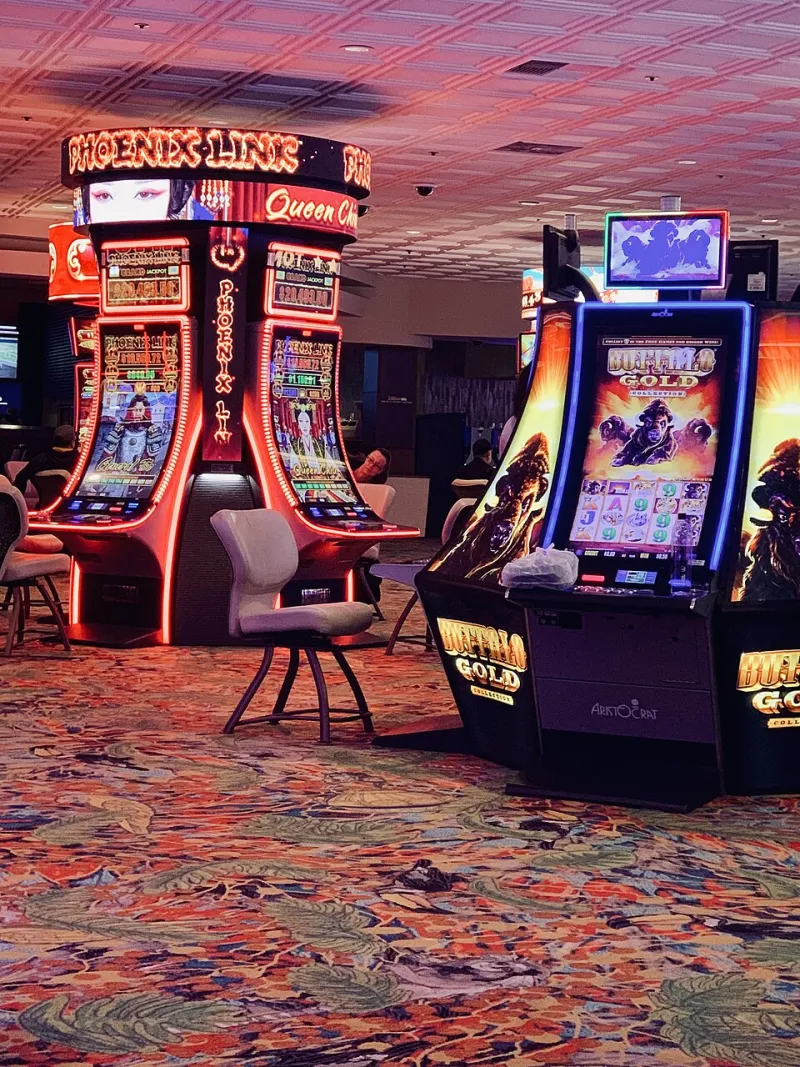
Waiting for 9:69: The Gamblers Who Let the Clock Choose When to Spin
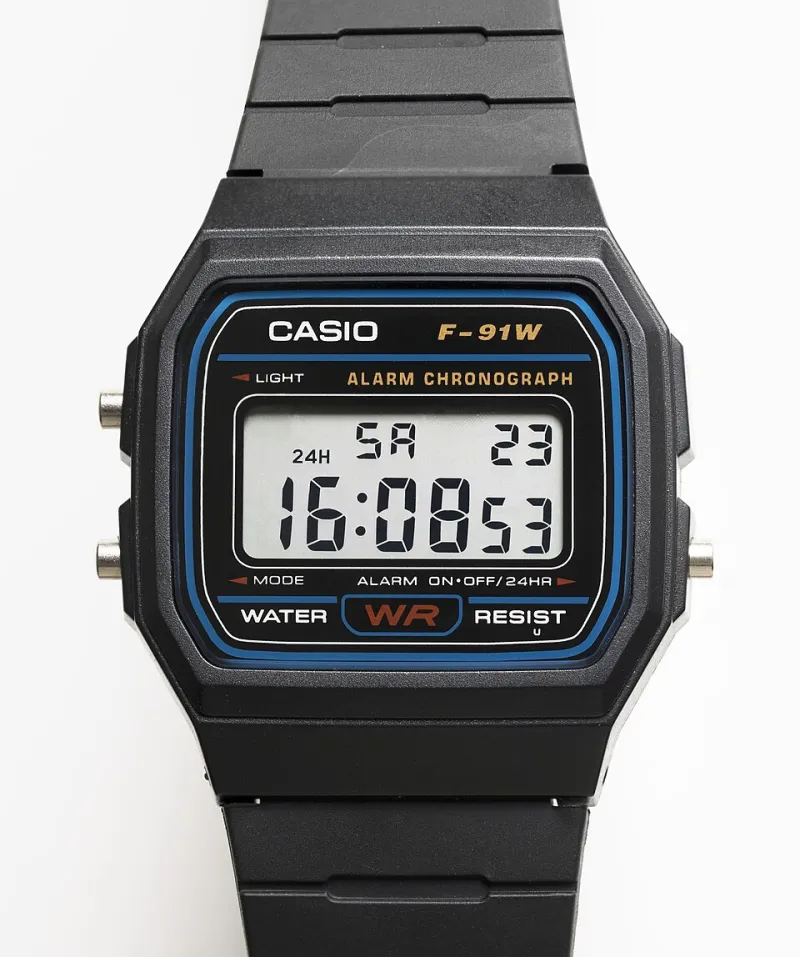
Photo: Petar Milošević, CC BY-SA 4.0, via Wikimedia Commons
Every online casino has its rituals. Some players knock on their monitors. Some refuse to play a slot until they've lost on it three times first. And then there's the crew that won't hit spin until the clock in the corner of their screen hits a very specific number — 9:69.
If you just did the math: yes, 9:69 doesn't exist. There is no 9:69 on any clock in America. And that's kind of the whole point.
The Time That Isn't There
Scroll through any gambling forum long enough and you'll find them — players who swear by the 9:69 method. Some wait for 9:59 and treat the flip to 10:00 as their launch window. Others use 9:69 as shorthand for "the moment that never comes," a wink at the universe that says I'm not superstitious, but I'm also not spinning yet.
The number itself carries obvious weight around here. Our own brand, Sodo969Z, leans into 969 for a reason — palindromic numbers read the same coming and going, and gamblers have always loved symmetry. A number that survives reversal feels stable. Predictable. Like it can't betray you the way an unlucky 13 can.
So when a digital clock can't display 9:69, some players improvise. 9:59 becomes close enough. 9:06, read upside down on a flip phone, becomes 9:06. The ritual bends; the belief doesn't.
Does the Time of Day Change Your Odds? No. Genuinely No.
Let's handle the big question first, because someone in the comments is already typing it.
Online slots run on random number generators that produce results continuously — thousands of draws per second, whether anyone is spinning or not. The moment you hit the button, the RNG grabs whatever number is in flight and translates it into reels. Your outcome is determined the instant you click, not by the hour on your screen.
There's no "hot hour." There's no night-shift payout schedule. The casino isn't loosening things up at 2 a.m. because traffic is slow, and it isn't tightening things during the Sunday football slate. The RNG doesn't know what time it is, and it doesn't care.
This myth made a weird kind of sense in the land-based era. Old-timers swore Vegas machines ran looser on weekends to impress the tourist crowds. Whether that was ever true is debated; what's certain is that it doesn't translate to online play, where the same certified RNG grinds away around the clock.
So Why Do Players Still Watch the Clock?
Here's where it gets interesting. The superstition persists — and thrives — for reasons that have nothing to do with the machine.
Ritual creates readiness. Waiting for a specific time gives a session a starting line. Psychologists call this a "temporal landmark," the same reason people start diets on Mondays. A defined start makes the session feel intentional instead of aimless.
It forces a pause. A player waiting for 9:59 to roll over isn't chasing losses in that moment. The clock imposes a breather, and breathers are genuinely good for bankrolls.
It converts randomness into structure. Slots are pure chance, and human brains hate pure chance. If we can't control the outcome, we control the conditions. Time is the last free variable a player has — you can't pick the reel result, but you can pick when you press the button. So we pick it, ceremonially, even knowing it's decoration.
It builds belonging. Like knocking on wood or blowing on dice, clock rituals are a handshake among players. Post your 9:69 screenshot in the forum and you're fluent in the culture.
Where Timing Actually Matters
Here's the twist: while the clock won't change your odds, when you play can still shape your results — just not the way the myths promise.
Tired gambling is expensive gambling. Late-night sessions are where bankroll discipline goes to die. Studies on decision-making consistently show judgment degrades with fatigue, and 1 a.m. you is far more willing to chase a loss than 1 p.m. you. If your 9:69 ritual keeps you playing at 2 a.m., the clock is costing you money — just through your own choices, not the RNG's.
Promotions run on schedules, not vibes. Reload bonuses, happy-hour free spins, tournament leaderboards — these are time-locked. Checking the promo calendar before your session does more for your expected value than any hour of the day ever will.
Time-boxing works. The most useful clock in gambling isn't the one you wait for — it's the timer you set. Decide your session ends at 10:00 and actually stop. That's a superstition we'd endorse, except it isn't one. It's just a plan.
Keep the Ritual, Lose the Faith
We're not here to confiscate anyone's lucky number. If waiting for 9:59 to tick over makes your session feel right, enjoy it. Rituals are part of what makes gambling fun, and fun is the whole product you're buying.
Just hold the belief loosely. The clock in your corner is decoration. The RNG underneath doesn't wear a watch, doesn't know the date, and wouldn't recognize 9:69 if it tripped over it.
Spin when you like. Stop when you planned. And if the clock happens to hit your number right as you click — well, that's not luck.
That's just good timing.