When a $12 Million Jackpot Flatlines: Inside the Quiet Retirement of a Progressive Nobody Could Hit
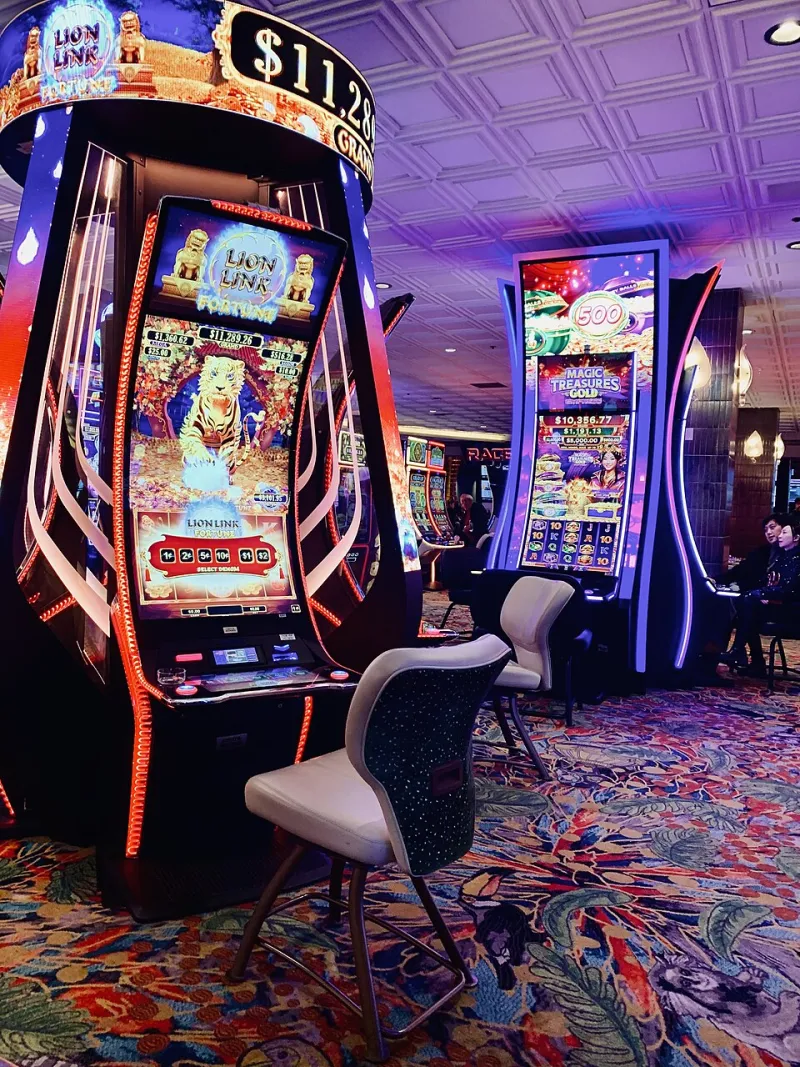
Photo: Lchung9779, CC BY 4.0, via Wikimedia Commons
Every slot player knows the fantasy: you walk past the bank of machines with the towering LED counter, the one ticking upward by the second, and you think, somebody's going to win that. Sometimes somebody does, and the casino throws a party with a novelty check bigger than your car.
But there's a darker, weirder ending almost nobody talks about. Sometimes the jackpot just... dies.
The Counter That Stopped Ticking
Ask around enough casino floors and you'll hear the story shape: a linked progressive that climbed and climbed — say, into eight figures — until the property decided to reconfigure the floor, swap cabinet generations, or migrate to a new network. The machine goes dark. The counter goes blank. And the life-changing number that players had been feeding for years evaporates overnight.
No siren. No confetti. No oversized check.
"Players notice immediately," one longtime slot floor manager told me, speaking on background because he still works in the industry. "They'll come back from a two-week trip and the whole bank is gone. First question is always the same: where'd the money go?"
It's a fair question. Here's the unsatisfying answer.
Where the Money Actually Goes
Contrary to the myth of some shadowy vault, a progressive jackpot isn't a pile of cash sitting under the machine. It's a liability — a running number on a server that grows as a small slice of every wager feeds the meter. The contributions come from players; the promise comes from the casino or the game supplier.
When a progressive is retired while still unhit, one of a few things typically happens, depending on the game's math and the jurisdiction:
- The seed rolls over. Most progressives have a base amount — the "seed" — that the casino or supplier contributed to start the meter. On many networks, that seed gets reallocated to a replacement game or a new progressive on the same floor.
- The accruals get reabsorbed. The player-funded portion above the seed is often folded back into the system, sometimes redirected to other jackpots or promotional pools. Players rarely see this spelled out anywhere.
- Regulators get a say. In markets like Nevada and New Jersey, gaming commissions require that jackpot liabilities be accounted for. The money doesn't vanish into an executive's pocket — but it also doesn't automatically get handed to the person who almost won it in 2019.
The key word in every conversation I had was "reallocation." Not refund. Not payout. Reallocation.
But Wait — Wasn't It Due?
Here's where the culture side kicks in, because no jackpot dies quietly when true believers are involved.
Every long-lived progressive develops a congregation. These are the regulars who plan their casino trips around the meter, who have a theory about the machine's mood, who'll tell you with total sincerity that a number that big has to drop soon. The math says otherwise — every spin is independent, and the odds of hitting a major progressive are often north of one in ten million, on every single spin, forever.
But try telling that to the guy who's been playing the same $1 denom game every Friday since the counter crossed $8 million.
"The bigger it gets, the more they play it," the floor manager told me. "That's the whole design. A $12 million meter is the best marketing a casino never paid for."
Which is exactly what makes retiring one so brutal. You're not unplugging a machine. You're demolishing a shrine.
Why Casinos Pull the Plug Anyway
If a giant jackpot is such good marketing, why kill it? Three reasons came up again and again:
Old tech. Many of the record-setting progressives run on legacy cabinets and legacy networks. When a supplier sunsets a platform, the casino has to migrate, and the migration terms aren't always player-friendly.
Denomination drift. Modern floors skew toward higher hold percentages and different denominations. A meter that made sense in 2014 might not fit the property's current math.
Stagnation. A jackpot that's too big and never hits can actually suppress play on the rest of the bank — everyone crowds the one machine, the ones next to it go cold, and the floor's revenue mix suffers.
There's also a less charitable reason that insiders will only hint at: sometimes retiring a stale progressive and launching a fresh one at a lower seed is simply cheaper than letting a nine-figure liability keep growing.
The Moral for the Rest of Us
I'm not telling you to avoid progressives. Somebody wins them — eventually. But if a seven-figure meter is part of your reason for choosing a machine, do yourself a favor and learn the difference between the seed and the accruals, and understand that the counter you're staring at is a promise with an expiration date attached.
The jackpot doesn't owe you a payout. The casino doesn't owe you a warning. And the machine you've been loyal to for three years? It's furniture. When the floor plan changes, the furniture leaves.
Play the number because it's fun. Not because it's due. Because the only thing sadder than a jackpot that never hits is one that hits a reset button instead.
If gambling has stopped feeling like entertainment, help is available. Call 1-800-GAMBLER, free and confidential, 24/7.