That Machine by the Beer Cooler Isn't a Slot Machine — Or Is It? Inside America's Skill Game Gray Zone
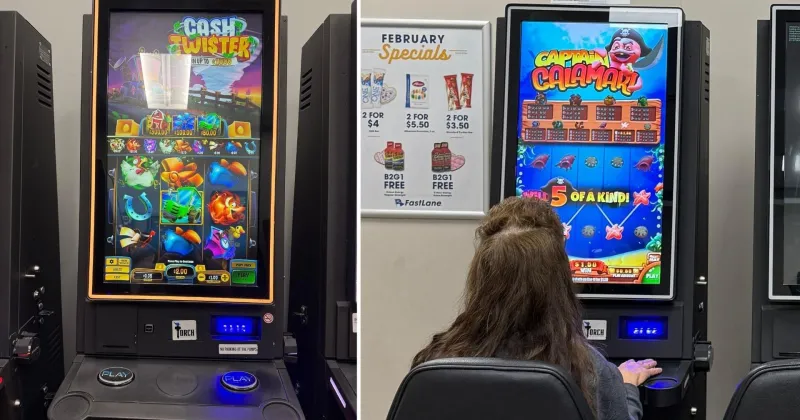
Photo: gambling machine touchscreen gas station convenience store, via bloximages.newyork1.vip.townnews.com
You've seen it. Maybe you've played it. The glowing touchscreen sitting next to the lottery scratcher display at the truck stop, or wedged between the cigarette rack and the ATM at your neighborhood bar. It looks like a slot machine. It pays like a slot machine. And yet, according to the little sticker on the side, it's something called a "skill game."
Welcome to the fastest-growing gray market in American gambling — one that state legislatures are fighting over right now, sometimes literally mid-session.
So What Exactly Is a "Skill Game" Terminal?
The pitch goes like this: unlike a true slot machine, where the Random Number Generator decides everything before you even hit spin, these terminals include an element of player control. Maybe you're stopping reels yourself, playing a memory match, or tapping targets in a pattern. Manufacturers argue that because you can influence the outcome, the machines aren't lotteries — and lotteries are what most states reserve the exclusive right to run.
Critics, including a growing number of attorneys general, call that a fig leaf. If the outcome is overwhelmingly determined by chance, with a thin layer of skill smeared on top, then what you've got is an unlicensed slot machine earning tax-free revenue in a gas station.
Both sides have lawyers. Lots of them.
A State-by-State Patchwork That Makes No Sense
Here's the thing that should bother every player: whether that machine by the beer cooler is legal depends entirely on which side of a state line you're standing on.
- Pennsylvania is the biggest battleground. An estimated tens of thousands of unregulated skill machines operate there, generating serious revenue while paying zero taxes. The legislature has repeatedly tried to fold them into a regulated framework, and the state's gaming control board has been cracking down on unlicensed terminals.
- Virginia went the opposite direction — it briefly legalized and taxed skill games, then let the authorization expire in 2023, pushing many machines out of bars and stores.
- Kentucky passed its own law regulating "prompt games of skill," putting them on a licensed, taxed footing.
- Georgia, Ohio, and Nebraska have all wrestled with the question, with outcomes ranging from bans to ongoing court fights.
In other words, the same machine might be a legitimate, taxed business in one state and contraband in the state next door. If you're a player, that difference matters more than you'd think.
The Stuff Nobody Tells You Before You Feed It a Twenty
At a licensed casino, you've got layers of protection: regulators auditing the machines, published payback percentages, a commission to complain to if something goes sideways. At an unregulated terminal in a laundromat? You've got a phone number on a sticker, if you're lucky.
Before you play, consider:
- Payout transparency. Regulated slots must disclose theoretical return-to-player rates. Many skill terminals publish nothing. You genuinely don't know if you're playing a machine that returns 92% or one that returns 60%.
- Dispute recourse. If a machine malfunctions mid-win, a casino regulator can step in. With a gray-market terminal, your recourse is usually the store clerk, then the machine operator, then — nothing.
- Legal exposure. In states where these machines are banned, players themselves are rarely prosecuted, but your "winnings" have zero legal standing. Good luck enforcing a jackpot the state considers the product of illegal gambling.
- Cash handling. Many of these machines pay out in store credit, vouchers, or hand-typed receipts rather than verifiable tickets. That's a long way from a TITO ticket backed by a state gaming commission.
The Fight Isn't Going Away
The casino industry hates these machines — unregulated competition paying no taxes is a direct threat to licensed operators who spent millions on compliance. Meanwhile, the manufacturers (some backed by serious investment money) argue they're a small business lifeline, keeping corner stores and veterans' bars afloat.
Expect the next few years to bring more legislation, more lawsuits, and more states forcing the question: is this gambling, and if so, who gets to profit from it? Pennsylvania's outcome alone could set the template for half the country.
The Bottom Line for Players
We get the appeal. There's something very American about a machine humming in the corner of a gas station, no app download, no account, no geolocation check — just you, a touchscreen, and a twenty. That analog-by-design simplicity is exactly why these terminals have spread like kudzu.
But until your state sorts out the rules, treat these machines the way you'd treat a friendly card game in someone's garage: fun if you go in expecting to lose the price of a sandwich, risky if you expect anything more. Know your state's status, know that nobody's auditing the math, and know that the real jackpot so far has been collected by the machine operators — not the players.
The gray zone won't stay gray forever. When the legislators and lawyers finish their fight, the machine by the beer cooler will either get a license, a tax bill, or a one-way trip to the warehouse. Until then, spin with your eyes open.